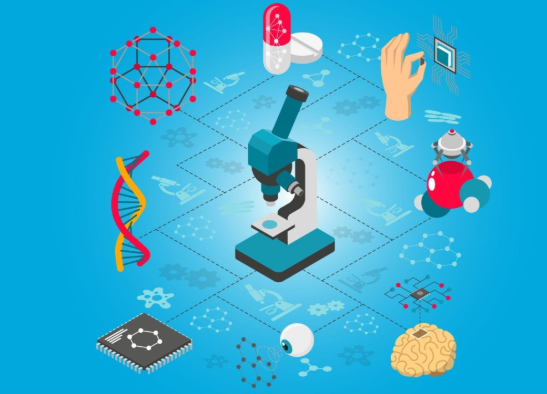
Nanotechnology applications are reshaping various sectors through innovative solutions. In medicine, it enhances precision in drug delivery, targeting therapies more effectively. In electronics, breakthroughs in materials facilitate advances in computing and display technologies. Energy storage innovations promise improved efficiency and reduced downtime. Additionally, nanomaterials contribute to environmental remediation efforts, addressing critical sustainability challenges. The intersection of these advancements raises questions about future implications and potential risks that warrant further exploration.
Applications in Medicine
As advancements in nanotechnology continue to evolve, its applications in medicine demonstrate significant potential for transforming diagnostic and therapeutic practices.
Notably, nanotechnology enhances drug delivery systems, enabling targeted therapies that improve efficacy and minimize side effects in cancer treatment.
This precision allows for individualized patient care, granting freedom from traditional, less effective methods, thereby revolutionizing the landscape of oncological therapies and patient outcomes.
Innovations in Electronics
The impact of nanotechnology extends beyond medicine, significantly influencing the field of electronics.
Innovations such as quantum computing harness nanomaterials to enhance processing power and efficiency, enabling unprecedented computational capabilities.
Additionally, flexible displays utilize nanoscale components, allowing for lightweight, bendable screens that revolutionize user interfaces.
These advancements exemplify the transformative potential of nanotechnology, fostering greater freedom in electronic design and functionality.
Advancements in Energy Storage
While the demand for efficient and sustainable energy solutions continues to rise, advancements in energy storage technology driven by nanotechnology are playing a crucial role in meeting these needs.
Enhanced battery efficiency is achieved through innovative nanomaterial synthesis, which optimizes electrode performance and reduces charging times.
These developments promise to revolutionize energy storage systems, fostering greater energy autonomy and supporting a transition to renewable resources.
See also: How Technology Improves Student Engagement
Environmental Remediation Solutions
Nanotechnology is increasingly recognized as a transformative approach in environmental remediation, particularly in the efficient removal of contaminants from soil and water.
Advanced nanomaterials facilitate effective water purification processes, enabling the degradation of pollutants at the molecular level.
Additionally, tailored nanoparticles enhance soil restoration by promoting microbial activity and nutrient availability, thus ensuring a sustainable environment and restoring ecological balance through innovative remediation techniques.
Conclusion
In conclusion, the transformative potential of nanotechnology across various sectors is undeniable, despite concerns regarding safety and environmental impact. Continued research and regulatory advancements are addressing these challenges, ensuring that innovations do not compromise human health or ecological integrity. By exploring the myriad applications in medicine, electronics, energy storage, and environmental remediation, stakeholders can harness nanotechnology’s benefits while mitigating risks, paving the way for a sustainable future that enhances quality of life and drives economic growth.