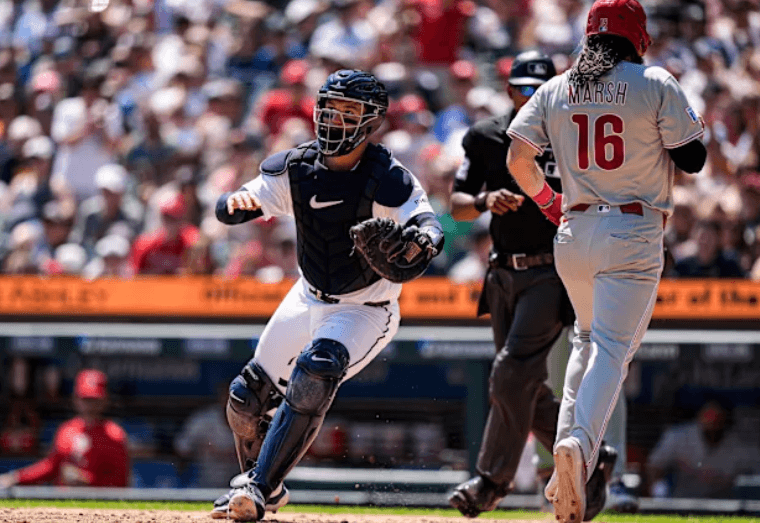
A missed catch in cricket lasts only a second, but its effect can stretch across the rest of the match. The ball rises, the fielder gets into position, hands close around the chance, and then the ball falls away. The batter survives. The bowler walks back with frustration. The crowd reacts because everyone understands what may have been lost.
The moment becomes even bigger when the player who survives is a popular athlete. Fans know the reputation, the scoring range, the pressure record, and the danger of giving that player another life. Those who want to read more about live match movement often return to updates after a missed catch, because the next few overs can reveal whether the mistake becomes a turning point.
A dropped chance does not decide the match at once. It changes what fans watch next.
Why One Missed Catch Changes the Mood
A catch is more than a fielding action. It is a possible ending to a batter’s innings, a reward for the bowler’s plan, and a release of pressure for the fielding side. When that chance goes down, the match continues with a different feeling.
The scoreboard may barely move. One delivery passes, and the batter remains on strike or rotates away. Yet the emotional balance changes. The batting side gains oxygen. The fielding side must reset. The bowler has to repeat the work that almost succeeded.
This is why missed catches stay in fan memory. The mistake opens a question that the score cannot answer yet. Will the batter calm down and build? Will the bowler force another chance? Will the captain protect the fielder or move the plan quickly? The next passage becomes more interesting because the match has been left unfinished.
Popular Athletes Make the Chance Feel Expensive
Every missed catch hurts, but some feel heavier because of the player involved. Dropping a lower-order batter can be costly. Dropping a well-known finisher, opener, or all-rounder feels dangerous before the scoreboard proves it.
Popular athletes carry past memory into live matches. Fans have seen them control chases, punish loose bowling, or turn slow starts into sharp finishes. A missed chance against that kind of player feels like a warning because the audience already understands the possible price.
This attention is not based only on fame. It comes from match awareness. A respected batter who survives early movement may settle. A powerful hitter dropped near the end may attack faster. A senior player who gets a second chance may use experience to slow the match, rotate strike, and choose better moments.
Reputation makes the dropped catch feel less like an isolated error and more like an opening.
How Live Updates Keep the Story Moving
Live updates matter most after a missed catch because the value of the moment is delayed. A fan does not need only the fact that the catch went down. The real interest comes from what follows.
Recent balls show whether the batter is still under pressure. Partnership movement shows whether the batting side is turning survival into control. Run rate movement shows whether the escape has changed tempo. Bowler figures show whether the fielding side has recovered or become looser.
This is where live sports screens keep fan attention active. They turn a missed chance into a sequence. A dropped catch, then two quiet singles, then a boundary, then a field change tells a fuller story than the score alone. Fans can read the match without watching every ball.
Good updates do not need to exaggerate the mistake. They need to connect the mistake to the next phase of play.
What Fans Watch After the Drop
After a popular athlete survives, fans look for small signs that show whether pressure is moving. The missed catch is only the start. The response gives it meaning.
- Shot choice after survival.
- Strike rotation in the next over.
- Bowler length after frustration.
- Field changes from the captain.
- Partnership growth.
- Required run rate movement.
- Timing of the next attacking shot.
- Teammate reaction after the mistake.
These details matter because cricket often turns through behavior before it turns through the score. A batter who survives and immediately takes reckless risks may waste the chance. A batter who survives and plays cleaner cricket may turn the mistake into control.
The fielding side gives signals too. A bowler who keeps the same plan may stay dangerous. A captain who changes the field too quickly may reveal concern. A fielder who recovers with sharp work may reduce the emotional damage.
Fans stay curious because the match begins to show whether the missed catch was a passing error or a lasting shift.
Why the Story Can Outgrow the Score
A missed catch becomes the main story when the surviving player changes the match afterward. The innings may still contain many runs, wickets, and tactical moves, but fans often return to the moment when the game could have gone another way.
This is especially true with popular athletes. A famous batter turning a reprieve into a strong finish creates a clean thread for fans to follow. The match becomes easier to retell because one moment explains the change in attention. The dropped chance gave the player space. The player used it. The conversation after the match naturally circles back to that survival.
A missed catch can also shape the story even when the batter does not dominate. It can affect fielding confidence, bowling plans, and fan expectations. Sometimes the question matters almost as much as the answer.
The Moment That Keeps Fans Watching
Cricket holds attention because one mistake can create several possible endings. A missed catch may fade within an over, or it may become the moment that explains the match later. Live updates keep that uncertainty visible. Popular athletes make it feel personal. Fan curiosity grows because the next ball may prove whether the mistake mattered.
That is why a dropped chance can turn one player into the center of the match. The fielding side missed an ending. The batter received a new beginning. Fans keep watching to see which side makes better use of what comes next.