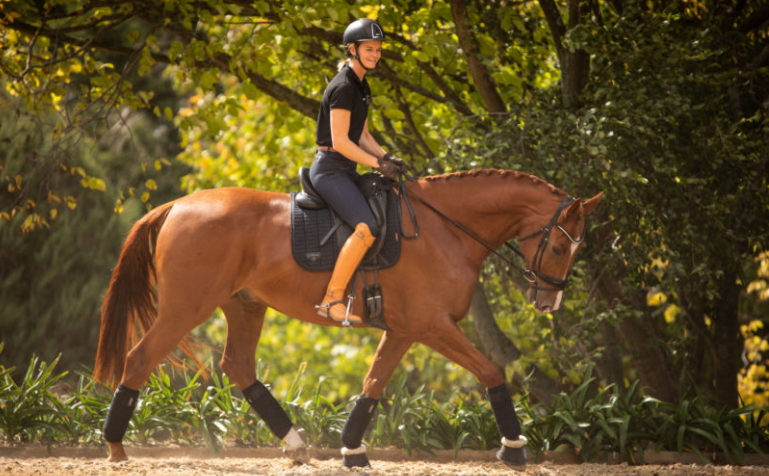
Mental preparation is an often-overlooked aspect of racehorse training. Understanding the psychological needs of these athletes can significantly influence their performance. Trainers must recognize that anxiety and fear can undermine even the most physically prepared horses. By employing techniques that foster confidence and trust, the relationship between horse and handler can be strengthened. This raises an essential question: what specific strategies can be implemented to ensure a racehorse is mentally equipped for competition?
Understanding the Psychological Needs of Racehorses
While many focus on the physical training of racehorses, understanding their psychological needs is equally crucial for optimal performance.
Racehorses thrive on social interactions, which foster a sense of security and belonging.
Additionally, environmental enrichment—such as varied stimuli and engaging activities—enhances their mental well-being.
Acknowledging these factors can lead to more balanced and confident athletes, ultimately improving their racing outcomes.
See also: Mental Strength in a Jockey’s Career
Techniques for Building Confidence and Reducing Anxiety
Building confidence and reducing anxiety in racehorses involves a combination of targeted techniques that address both the mental and emotional aspects of their training.
Visualization techniques enable horses to mentally rehearse successful performances, fostering a sense of familiarity and safety.
Coupled with positive reinforcement, these methods encourage a trusting relationship with their handlers, ultimately empowering racehorses to perform with greater assurance and reduced stress.
The Role of Desensitization in Racehorse Training
Desensitization plays a crucial role in racehorse training, as it helps horses acclimate to various stimuli and environments they may encounter on the racetrack.
Through targeted desensitization exercises, trainers can effectively reduce the horses’ stress response, allowing them to perform with greater composure.
This approach fosters a sense of freedom, enabling racehorses to focus on their tasks unencumbered by fear or anxiety.
Conclusion
In conclusion, the mental preparation of racehorses is as vital as their physical training, forming the backbone of their performance on the track. Just as a finely tuned engine requires meticulous care, so too do these remarkable athletes need psychological nurturing to thrive. By employing techniques that enhance confidence and reduce anxiety, trainers cultivate not only superior competitors but also contented partners. Ultimately, a horse’s true potential is unlocked when its mind and body are harmoniously aligned, racing towards greatness.